Car Damage Categories: What’s the difference between Cat A, B, S and N cars?

Red car being assessed for crash damage category

When you’ve been in an accident, occasionally your car can be crash-damaged to the point where it becomes a ‘write-off’. Essentially, this means that the car is so damaged that it no longer safe to drive, or the repairs on the car are more expensive than the value of the vehicle. There are a number of strict guidelines which your car insurance company use to determine what happens to your car in this scenario – these are known as car damage categories.

Category A Cars

The damage to your car is so extreme that no part of the vehicle can be salvaged.

If your car is put in Category A, it will be completely scrapped and you will receive a cash payout equivalent to the car’s market value prior to the accident.

Category B Cars

The damage to your car is extensive (i.e. the body, frame or chassis of the car could not be used again) and the vehicle will have to be scrapped.

If your car is put in Category B, the body will be completely scrapped, but some parts will be reclaimed to use in other vehicles. You will receive a cash payout equivalent to the car’s market value prior to the accident.

Category S Cars

The damage to your car is structural (i.e. the wheel axis is bent, a part of the chassis is crumpled or twisted and deemed unsafe) and is uneconomical to repair. This means that the car will avoid being scrapped but will have to be professionally repaired before being driven on the road.

In this case, the insurer will sell the car to someone who chooses to repair the car, which covers the costs of your insurance plan. You can choose to re-buy the car if you so wish.

Category N Cars

Your car hasn’t received any structural damage but has an issue which makes it uneconomical to repair. This is normally based on whether the repairs will cost more than 50% of the car’s value. This can be cosmetic damage, such as a significant dent or collapse in the chassis, or damages to the steering or braking system.

In this case, your insurer will pay you the equivalent of what your car would have cost before the accident.

Write-off advice

If your car has been written-off in an accident, your insurance company will ask to take ownership of the car in order to provide some of your cash payout – this will have been included as a condition in your insurance plan. However, the insurance company can’t do so until you agree the price for the car. So, don’t accept their offer if it doesn’t reflect the true value of your vehicle. You should base your value on market research and factors such as service history and any private work you had done (i.e. new alloys).

Sometimes car traders an attempt to hide a car’s history from you and attempt to sell you a Category S or N vehicle. It’s important to always ask for a full service history check before you buy any car!

When it comes to crash-damaged cars, it is important to know where you stand with your insurance company. We hope our breakdown of car damage categories and write-off advice will help.

My Credit Rating

Excellent

  • You are a home owner
  • You have been on the electoral role for a long period of time
  • You have current credit arrangements and mortgage with no defaults
  • You have no CCJs, credit arrears or missed payments
  • You rarely apply for credit
  • You are employed or self-employed

Good

  • You are on the electoral role
  • You are a home owner or long standing tenant
  • You have a stable employment history
  • You have current credit arrangements with occasional missed payments
  • You have no CCJs

Fair

  • You are or have recently been on the electoral role
  • You may have recently changed address
  • You may have occasional missed payments
  • You may have an old CCJ
  • You may have regularly applied for credit

Poor

  • You may have had frequent changes in address
  • You may not be traceable on the voters roll
  • You may have exceeded credit card limits
  • You may have missed payments on current agreements
  • You may have had a CCJ in the past

Bad

  • You may not be traceable on the voters roll
  • Your credit cards are over their limits
  • You have recent CCJs
  • You may have been refused credit elsewhere
  • You may be in a debt management plan
£

X monthly repayments of
£X

Typical rate

Loan amount

Total payable

X% APR*

£X

£X

*for illustration purposes only

No impact on your credit score*

Representative Example

Borrowing £7,500 at a representative APR of 10.9%, annual interest rate (fixed) 10.87%, 47 monthly payments of £191.50 followed by 1 payment of £201.50 (incl. estimated £10 option to purchase fee), a deposit of £0.00, total cost of credit is £1,702, total amount payable £9,202.

Evolution Funding Limited, trading as My Car Credit, is a credit broker and not a lender.

Please ensure you can afford the repayments for the duration of the loan before entering into a credit agreement.

*Initial application is a soft search. Should you progress, some lenders may perform a hard search on your credit file.

Require more help?

Got a question you can’t find the answer to, or need some advice and guidance around taking out car finance? Our Car Credit Specialists are friendly, experienced, and here to help so get in touch today!

Best Way to Buy a New Car: Our Guide

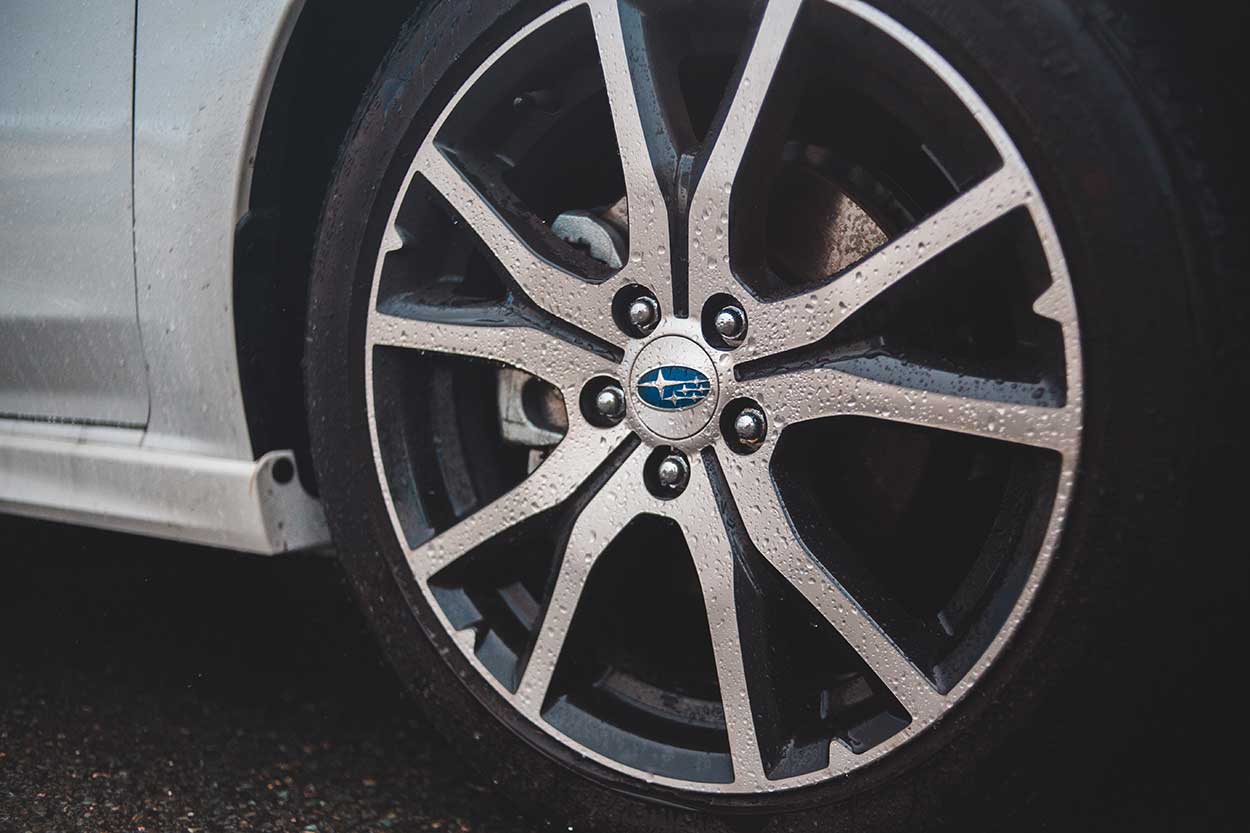
Alloy wheel Subaru car for sale in used car dealership

You’re likely to use your car almost every day for several years. As such, buying a new one is a big commitment – and with a vast range of options to choose from, making the final decision can feel overwhelming.

That’s why we’ve compiled our comprehensive new car buying guide. At My Car Credit, we understand that buying a car is a significant investment, which is why it’s essential to take the right approach from the start in order to save money in the long run.

Below, we’ll offer our top advice on buying a new car, covering everything from how to maximise value and avoid common pitfalls to a blow-by-blow account of what to consider when test driving. Read on for all the information you’ll need to find out the best way to buy a new car​!

Start with your budget

Establish your budget

First things first – determine your budget. 

There are two main kinds of costs you need to consider – upfront and ongoing. You’ll need to account for both of these in order to set a realistic budget. 

The main financial costs associated with a vehicle include the upfront cost of the car (or your deposit), car financing monthly repayments, fuel, tax, insurance, service and maintenance fees, monthly depreciation, MOTs and parking permits.

Top tip: Allocate 10-15% of your monthly income for ongoing car-related expenses.

Thankfully, there are many useful tools to help you estimate the cost of running a car, like this gov.uk service

We’ve also got plenty of advice on finding the right car for you – check out our selection of the most underrated cars for under 10k.

You can benefit from favourable deals on cars at certain times of the year, too.

Use My Car Credit’s car finance calculator

Before you begin searching for your next set of wheels, you’ll need to work out how much you can afford to pay upfront (a down payment) and how much you can afford to pay monthly. 

If you’re considering car finance, it’s wise to work out your mileage. Certain auto finance agreements have mileage limitations, so knowing these before you start your search can help you find a suitable deal for your needs.

Our car finance calculator can help you do the maths on your next drive. It’ll give you an instant breakdown of your expected monthly payments, typical rates and total payable.

What car should I buy?

Identify your needs

Shopping for your next set of wheels is exciting, but before you hit the forecourts, identify your driving needs. 

Consider your lifestyle and mileage needs as a priority. For example, if you have a family, your priorities will differ from those of a first-time driver

Your driving preferences are also important to account for:

Thinking through these kinds of questions before beginning your search can save you valuable time and effort.

New vs. nearly new cars

New cars have significant appeal – and it’s not just that ‘new car smell’. You’ll benefit from the latest technology, a full warranty and can choose the make and model you want. 

But car depreciation is a real thing, which is why ‘nearly new’ cars are increasingly popular.

‘Nearly new’ is a broad term that can cover a range of different vehicles. Broadly speaking, nearly new cars are ex-demonstration or pre-registered vehicles. Ex-demonstration cars are the vehicles that customers will use to test drive a make and model. That means they’ll have a degree of mileage but will have been well maintained. Pre-registered cars are purchased by dealers to meet sales targets. They’re then sold on at a discount after a specific period. As such, they typically have fewer miles compared to ex-demo vehicles but may have been sitting around a bit longer.

Nearly new vehicles offer benefits like lower mileage, competitive prices and great car finance options. 

Always do your due diligence when shopping around for a used car, ensuring you choose a good car dealer and are ready for polite negotiation.

Fuel type

More drivers than ever before are switching to electric cars. Low running costs, minimal noise pollution and a better environmental record than petrol or diesel vehicles are all factors driving motorists towards electric vehicles.

Plug-in hybrid vehicles are equally sought after, but offer greater range and a quicker refuelling experience than electric cars.

That said, petrol and diesel vehicles remain popular, especially for those looking to purchase nearly new cars. Petrol cars are typically cheaper than diesel and are ideal for nippy urban vehicles making multiple stop-start trips.

Safety and reliability ratings

Do your research to check the safety and reliability ratings for your next set of wheels. New cars can really differ between how safe and reliable they are – in fact, it’s not uncommon for smaller city cars to score much lower in the European New Car Assessment Programme (Euro NCAP) crash tests. 

The Euro NCAP awards star ratings to cars after testing how much protection they’ll provide motorists in the instance of a crash. With that in mind, you can use the Euro NCAP latest safety ratings to review the stats on any model you’re eyeing up.

You can also check out other customer reviews to gauge other drivers’ experiences of different makes and models.

Understanding your payment options

No new car buying guide is complete without a breakdown of your payment options. We list the most popular ways of financing a car below – the most suitable one for you will depend on your needs and circumstances.

Cash purchase

If you’ve got the upfront cash to pay for a car in full, you’ll benefit from no interest payments and full ownership from the get-go.

However, most drivers don’t have the money to pay for a vehicle in full. Even if your vehicle isn’t brand new, it’s still a sizable financial outlay. That’s why so many drivers are turning to car finance to fund their next set of wheels.

Hire purchase (HP)

HP car finance is one of the most popular agreements for UK drivers – and for good reason. You’ll benefit from fixed monthly payments and interest rates, and you’ll own the car at the end of term without having to make a large balloon payment.

There are no mileage restrictions, making HP ideal for drivers looking for long-term ownership, and this kind of finance agreement is good for people with less-than-perfect credit scores too.

Personal contract purchase (PCP)

PCP is a popular finance option for drivers who like to regularly switch up their car for a higher spec, newer upgrade. 

Fixed monthly payments on PCP are lower compared to HP agreements, and you’ll benefit from flexibility at the end of the repayment term. Choose to return the car without making the optional final payment, keep the car and pay the balloon fee or part exchange the vehicle.

Leasing (personal contract hire)

Also known as personal contract hire (PCH), car leasing is essentially a long-term rental agreement.

You’ll benefit from low monthly payments, but there’s no ownership option at the end of term. As such, you’ll face restrictions like mileage limits and wear and tear charges.

PCH is a popular finance agreement for customers who enjoy driving new cars without a long-term commitment.

Where to buy a new car

There’s no one best way to buy a new car – it depends on your preferences and needs.

Typically, most UK motorists will find their next set of wheels in the following ways.

Franchised dealerships

You should be able to find authorised dealers offering new cars with manufacturer warranties, and dealers selling nearly new and used vehicles.

Be prepared to haggle when you go into a dealership – it may save you valuable cash. Go in prepared and having done your research, as this will stand you in better stead when negotiating. You should also shop around different dealers to get the best rate for you. Offer an amount that’s lower than you’re prepared to pay, as this gives you wiggle room. Always be firm but polite, and be ready to walk away – you may be offered preferable rates by doing so.

Online car retailers

There are a wide range of online car retailers where you can purchase a car, including sites like eBay and Gumtree. 

Online car retailers offer a convenient and quick browsing experience, with benefits like home delivery and the comfort of buying from home.

Always be cautious when buying online to avoid scams. You can check the status of a vehicle on gov.uk – this tool will show you a vehicle’s last MOT and tax date, indicating whether the licence plate matches DVLA records.

Remember to test drive vehicles before final purchase and establish your rights before signing any contracts.

Car supermarkets

Car supermarkets are becoming ever more popular. They typically sell nearly new and used cars at competitive prices.

You may not benefit from a full warranty with vehicles sold in car supermarkets, so always do due diligence and check before agreeing to a contract.

Car auctions

If you’re savvy about buying nearly new or used cars, car auctions may offer you serious savings. However, if you’ve never purchased at a car auction before, have caution to ensure you don’t risk being scammed.

My Car Credit’s trusted dealer network

Use My Car Credit’s My Car Search to find your next set of wheels. Our extensive network of FCA-vetted dealers is UK-wide, helping drivers across the country source high-quality, reliable vehicles.

Just fill out the simple search criteria and we’ll highlight the best options for you, helping you secure both your next car and its finance agreement in one go.

Test driving a new car

Test driving any vehicle is essential. There’s no other way to gauge whether you like a car make and model without hitting the road and trying it out first.

Our ‘must do’ checklist for any test drive includes:

  • Check seat comfort and driving position – Adjust the seat and steering wheel and ensure overall visibility via both the windows and mirrors. Establish the accessibility of all infotainment and functional controls.
  • Check the function of the vehicle – Are the brakes and clutch properly functioning? How is the suspension and steering? Do you have the acceleration and power you need?
  • Observe engine noise levels – You shouldn’t hear any buzzing or rattling.
  • Consider other factors – Like boot space and whether there’s room for a child’s car seat if required.

You should be able to schedule test drives with multiple dealerships to find a car that works for you. My Car Credit can also help connect you to trusted dealers, helping you find a trustworthy seller with ease.

If you’re purchasing a used car, you should comprehensively check the vehicle before test driving. Inspect the car’s overall condition, mileage, oil, engine, tyres and paintwork. Test the radio and lights. Internal checks are just as important as external.

Watch out for ‘Category N’ cars (previously ‘Category D’). These are vehicles that have formerly crashed without structural damage. However, they may still need vital replacement parts, which often explains why they’re listed so cheaply. If the price seems too good to be true, always ask questions.

Car depreciation and resale value

We mentioned car depreciation above – but what does this actually mean?

Depreciation refers to the decrease in a vehicle’s value over time, effectively indexing the difference between the amount you purchase it for and the amount you can expect back.

New cars will depreciate as soon as they leave the forecourt. Estimates suggest that an average new car loses between 50 and 60% of its value in the first three years of use. That’s why many motorists opt for nearly new or used vehicles, as they hold their value better than brand-new cars.

That said, there are other factors that decrease a car’s value over time.

Brand reputation and market demand will impact a car’s value. So will other variables like mileage, condition, wear and tear, and a vehicle’s maintenance history.

You can minimise your car’s depreciation in a few key ways:

  • Opt for popular colours
  • Avoid excessive customisation
  • Avoid smoking in your vehicle
  • Ensure a regular maintenance and service history
  • Frequent long journeys will also reduce your car’s value

Remember, nearly new vehicles offer a great way to get behind the wheel of a car that’s just below top of the range and won’t experience significant initial depreciation.

Apply for car finance with My Car Credit today

Now you know the best way to buy a new car​, you can start exploring these options for yourself. At My Car Credit, we prioritise finding users flexible and transparent car finance agreements.

Our online application process is quick and straightforward, giving you an instant decision in mere minutes. Any initial credit check is only ever a soft search meaning it won’t negatively impact your credit score. Plus, any quote we provide is no-obligation, and the rate you see is the rate you get.

We combine a broad panel of trusted lenders with a sensible approach to lending to help drivers across the UK secure competitive rates and personalised solutions. 

Find out how My Car Credit can get you behind the wheel of the right car for your needs by filling out our online form today.

Rates from 9.9% APR. Representative APR 10.9%

Evolution Funding Ltd T/A My Car Credit

My Credit Rating

Excellent

  • You are a home owner
  • You have been on the electoral role for a long period of time
  • You have current credit arrangements and mortgage with no defaults
  • You have no CCJs, credit arrears or missed payments
  • You rarely apply for credit
  • You are employed or self-employed

Good

  • You are on the electoral role
  • You are a home owner or long standing tenant
  • You have a stable employment history
  • You have current credit arrangements with occasional missed payments
  • You have no CCJs

Fair

  • You are or have recently been on the electoral role
  • You may have recently changed address
  • You may have occasional missed payments
  • You may have an old CCJ
  • You may have regularly applied for credit

Poor

  • You may have had frequent changes in address
  • You may not be traceable on the voters roll
  • You may have exceeded credit card limits
  • You may have missed payments on current agreements
  • You may have had a CCJ in the past

Bad

  • You may not be traceable on the voters roll
  • Your credit cards are over their limits
  • You have recent CCJs
  • You may have been refused credit elsewhere
  • You may be in a debt management plan
£

X monthly repayments of
£X

Typical rate

Loan amount

Total payable

X% APR*

£X

£X

*for illustration purposes only

No impact on your credit score*

Representative Example

Borrowing £7,500 at a representative APR of 10.9%, annual interest rate (fixed) 10.87%, 47 monthly payments of £191.50 followed by 1 payment of £201.50 (incl. estimated £10 option to purchase fee), a deposit of £0.00, total cost of credit is £1,702, total amount payable £9,202.

Evolution Funding Limited, trading as My Car Credit, is a credit broker and not a lender.

Please ensure you can afford the repayments for the duration of the loan before entering into a credit agreement.

*Initial application is a soft search. Should you progress, some lenders may perform a hard search on your credit file.

Require more help?

Got a question you can’t find the answer to, or need some advice and guidance around taking out car finance? Our Car Credit Specialists are friendly, experienced, and here to help so get in touch today!

How Car Value Affects Insurance Premiums

man using apple laptop to research car insurance premiums on used cars

The value of your car is one of the many things that underwriters will factor into your car insurance premium. However, it’s important to know how much affect it will have so you can take it into account for your next car purchase.

Insurance groups

Let’s start by saying that every car is put into an insurance group. These groups are ordered from one (cheapest to insure) to fifty (priciest to insure) – determined by a number of factors. When underwriters set these insurance groups, they take several factors into account, these include:

  • Car value
  • Car performance
  • Safety features
  • Security features
  • Cost of repairs and parts

How much affect does my car value have?

Although car value is considered, it’s not necessarily the determining factor of your insurance group. For example, you could buy a 1990s Skoda and assume that because it is a cheaper and older model, you will get a cheaper insurance premium. However, due to the lower safety and security features as well as the difficulty to get parts would make give it a higher insurance rating.

Why is my car value important?

When you apply for car insurance you will be asked to enter the estimated value of your vehicle. It’s important that you provide an accurate estimation that is close to the price you first bought the vehicle at. Although an insurance company won’t pay this initial price back to you (in the event of your car being written off, for example) this allows them to calculate an accurate current value for them to pay back to you. If you give an inaccurate estimation you may be liable to fraud allegations and/or cancellation of your policy.

What else affects my premium?

However, it’s not just your car that affects your insurance premium. Additional factors are also taken into account such as your personal circumstances. Your driving record, car usage, gender, age, and where you live are all considered as factors that increase or decrease your risk of an accident.

The next time you’re making a car purchase, we hope that our information on car value will be helpful. Alternatively, if you’ve found the car you want to purchase and are looking for a finance plan, get in touch and we’ll be more than happy to help!

My Credit Rating

Excellent

  • You are a home owner
  • You have been on the electoral role for a long period of time
  • You have current credit arrangements and mortgage with no defaults
  • You have no CCJs, credit arrears or missed payments
  • You rarely apply for credit
  • You are employed or self-employed

Good

  • You are on the electoral role
  • You are a home owner or long standing tenant
  • You have a stable employment history
  • You have current credit arrangements with occasional missed payments
  • You have no CCJs

Fair

  • You are or have recently been on the electoral role
  • You may have recently changed address
  • You may have occasional missed payments
  • You may have an old CCJ
  • You may have regularly applied for credit

Poor

  • You may have had frequent changes in address
  • You may not be traceable on the voters roll
  • You may have exceeded credit card limits
  • You may have missed payments on current agreements
  • You may have had a CCJ in the past

Bad

  • You may not be traceable on the voters roll
  • Your credit cards are over their limits
  • You have recent CCJs
  • You may have been refused credit elsewhere
  • You may be in a debt management plan
£

X monthly repayments of
£X

Typical rate

Loan amount

Total payable

X% APR*

£X

£X

*for illustration purposes only

No impact on your credit score*

Representative Example

Borrowing £7,500 at a representative APR of 10.9%, annual interest rate (fixed) 10.87%, 47 monthly payments of £191.50 followed by 1 payment of £201.50 (incl. estimated £10 option to purchase fee), a deposit of £0.00, total cost of credit is £1,702, total amount payable £9,202.

Evolution Funding Limited, trading as My Car Credit, is a credit broker and not a lender.

Please ensure you can afford the repayments for the duration of the loan before entering into a credit agreement.

*Initial application is a soft search. Should you progress, some lenders may perform a hard search on your credit file.

Require more help?

Got a question you can’t find the answer to, or need some advice and guidance around taking out car finance? Our Car Credit Specialists are friendly, experienced, and here to help so get in touch today!

What Is A Nearly New Car and Should You Buy One?

alloy wheel of a nearly new car

Many people find the concept of upgrading to a brand new car exciting. Maybe it's the shiny bodywork. Maybe it’s the new car smell. However, if you're put off by the price of a new car, you might want to consider a nearly new car instead. Here's why.  

What is a nearly new car?

This term usually refers to a vehicle that has been on the road for less than two years. Whilst technically speaking the car has been used, you will be the first owner to spend serious time behind the wheel. Often these vehicles have been used as demonstration vehicles, short term rental or courtesy cars. 

Should I be concerned about its previous use?

In a word, no! As with buying any used car, you should do your due diligence and research but you shouldn’t be put off by previous use. A reputable dealer will prepare the car to a high standard, often to a ‘near new’ condition. What’s more, the car has probably been better looked after and maintained than you’d get from a ‘man on the street’! Any reputable dealer should disclose the car’s previous usage as a rental or hire car. 

What are the benefits of a nearly new car?

Competitive price

Unlike a brand new car of the same model, they are much cheaper as they have already experienced a fair percentage of depreciation. Cars depreciate most rapidly in their first year of being on the road. Buying a car that’s got a bit of mileage under its belt is far more wallet-friendly.

Lower mileage

They have usually clocked up low amounts of mileage (usually less than ten thousand miles) so you will be the first person to make extensive use of the vehicle. Cars with high amounts of mileage are far more prone to issues – both small and more extensive.

Original warranty

More often than not, they’ll still be under their original warranty. This safeguards you from any issues with the car after you’ve bought it, offering peace of mind for many. Normally, the manufacturer will take off the amount of time it has been used for and offer you the remainder of the warranty.

Better investment

As the most rapid part of the depreciation process is over, they are better financial assets . This effectively means that you haven’t ‘lost’ the difference between the cost of a brand-new car and what it is worth after this initial depreciation. Most cars lose around 60% of their value in the first three years.

Car finance options

You can get good car finance options. The reason for this is that the vehicle is practically the same as a brand-new model and therefore presents less risk to the lender.

Nearly new cars are well worth some serious consideration if you’re looking for your next vehicle (or perhaps your first) – they present many of the benefits of a brand new car without the large price tag. If you’re ready to get into your next car, we would love to help you find a car finance deal that works for you.

Rates from 9.9% APR. Representative APR 10.9%

Evolution Funding Ltd T/A My Car Credit

My Credit Rating

Excellent

  • You are a home owner
  • You have been on the electoral role for a long period of time
  • You have current credit arrangements and mortgage with no defaults
  • You have no CCJs, credit arrears or missed payments
  • You rarely apply for credit
  • You are employed or self-employed

Good

  • You are on the electoral role
  • You are a home owner or long standing tenant
  • You have a stable employment history
  • You have current credit arrangements with occasional missed payments
  • You have no CCJs

Fair

  • You are or have recently been on the electoral role
  • You may have recently changed address
  • You may have occasional missed payments
  • You may have an old CCJ
  • You may have regularly applied for credit

Poor

  • You may have had frequent changes in address
  • You may not be traceable on the voters roll
  • You may have exceeded credit card limits
  • You may have missed payments on current agreements
  • You may have had a CCJ in the past

Bad

  • You may not be traceable on the voters roll
  • Your credit cards are over their limits
  • You have recent CCJs
  • You may have been refused credit elsewhere
  • You may be in a debt management plan
£

X monthly repayments of
£X

Typical rate

Loan amount

Total payable

X% APR*

£X

£X

*for illustration purposes only

No impact on your credit score*

Representative Example

Borrowing £7,500 at a representative APR of 10.9%, annual interest rate (fixed) 10.87%, 47 monthly payments of £191.50 followed by 1 payment of £201.50 (incl. estimated £10 option to purchase fee), a deposit of £0.00, total cost of credit is £1,702, total amount payable £9,202.

Evolution Funding Limited, trading as My Car Credit, is a credit broker and not a lender.

Please ensure you can afford the repayments for the duration of the loan before entering into a credit agreement.

*Initial application is a soft search. Should you progress, some lenders may perform a hard search on your credit file.

Require more help?

Got a question you can’t find the answer to, or need some advice and guidance around taking out car finance? Our Car Credit Specialists are friendly, experienced, and here to help so get in touch today!