

PCP vs HP vs Leasing: Which Car Finance Option Is Right for You?

Couple looking at a loan quote

If you’re thinking about getting a new car, chances are you’ve come across the terms PCP, HP and leasing. These are the three most common ways to finance a car in the UK. And while they might sound similar, they work in very different ways.

If you’re thinking about getting a new car, chances are you’ve come across the terms PCP, HP and leasing. These are the three most common ways to finance a car in the UK. And while they might sound similar, they work in very different ways.

From ownership and monthly costs to flexibility and mileage limits, each option has its pros and cons. With so many choices, it’s no wonder drivers often struggle to decide which is best for their lifestyle and budget.

This guide breaks down exactly how the three options work, so you can make an informed decision between PCP vs HP vs leasing. We’ll also show how My Car Credit can help you find the right finance deal, whichever route you choose.

Understanding the three main car finance types

Before comparing them in detail, it’s useful to understand the basic principles of each finance type.

  • PCP (personal contract purchase) – You pay a deposit, followed by monthly payments that cover the car’s depreciation, not its full value. At the end, you can either pay a final “balloon” payment to own the car, return it or trade it in for a new one.
  • HP (hire purchase) – Similarly, you’ll pay a deposit and then monthly instalments. But these instalments gradually pay off the total cost of the car. Once the last payment is made, you own it outright.
  • Leasing (personal contract hire) – You essentially rent the car for a set period (typically 2-4 years). You’ll pay an initial rental fee followed by fixed monthly payments, then return the car at the end. There’s no option to buy it.

It’s worth noting that PCP and HP are forms of car finance, meaning you’re borrowing money to fund a purchase, whereas leasing is technically a rental agreement.

How does PCP work?

A personal contract purchase (PCP) is one of the most popular car finance options in the UK because it offers flexibility and relatively low monthly payments.

How PCP works

  1. Deposit – You usually pay around 10% of the car’s price upfront.
  2. Monthly payments – You make fixed payments over a term (usually 2-4 years), covering the car’s depreciation rather than its total cost.
  3. Optional final payment – At the end of the agreement, you can:
  • Pay the Guaranteed Future Value (GFV) or “balloon payment” to own the car outright.
  • Return the car to the finance company (as long as it’s within mileage and condition limits).
  • Trade it in as a deposit on a new PCP deal.

Advantages of PCP

  • Lower monthly payments compared to HP because you’re not repaying the entire cost of the vehicle.
  • Flexibility at the end of the term. You can keep, return or upgrade the car.
  • Access to newer cars more often, keeping you in warranty and up to date with the latest technology.

Disadvantages of PCP

  • Mileage limits usually apply. Exceeding them can lead to additional charges.
  • You don’t own the car unless you make the final balloon payment.
  • Extra fees may apply if the car is returned with damage or excessive wear.

Ideal for: Drivers who like changing cars every few years and want flexibility without committing to long-term ownership.

How does HP work?

A hire purchase (HP) agreement is one of the simplest and most straightforward car finance options available.

How HP works

  1. DepositTypically around 10% of the car’s price.
  2. Monthly payments – You repay the full value of the car, plus interest, over an agreed period (usually 2-5 years).
  3. Ownership – After the final payment, you automatically own the car.

Advantages of HP

  • You own the car once all payments are made. There’s no large balloon payment at the end.
  • No mileage restrictions, since ownership is the goal.
  • Simpler terms, which are easy to understand and manage.
  • Flexible finance duration to suit your budget.

Disadvantages of HP

  • Higher monthly payments compared to PCP or leasing, since you’re financing the full cost.
  • Less flexibility as you’re tied in until you’ve paid off the agreement.
  • Depreciation is greater. Once owned, the car’s value will naturally decrease over time.

Ideal for: Drivers who plan to keep their car long-term and value ownership over flexibility, such as families or those who don’t frequently upgrade their vehicles.

How does leasing work?

Also known as personal contract hire (PCH), leasing differs from PCP and HP because you’re not buying the car. Instead, you’re renting it for a fixed period.

How leasing works

  1. Initial rental fee – Usually equivalent to 3-6 months of payments upfront.
  2. Monthly payments – Fixed payments for the agreed term, often 2-4 years.
  3. Return the car – At the end, you hand the car back. There’s no option to buy.

Advantages of leasing

  • Drive a brand-new car every few years without any hassle.
  • Lower upfront cost than HP or PCP.
  • Fixed monthly payments make budgeting simple.
  • Maintenance packages often included for convenience.
  • No need to worry about resale value or depreciation.

Disadvantages of leasing

  • No ownership, regardless of how long you lease your car.
  • Strict mileage limits. Exceeding them leads to extra charges.
  • Early termination can be costly or difficult.
  • Wear and tear penalties may apply when returning the car.

Ideal for: Drivers who want a new car every few years, prioritise convenience and low monthly costs, and don’t care about ownership.

PCP vs HP vs leasing: Side-by-side comparison

Feature

PCP

HP

Leasing (PCH)

Ownership

Optional (after final payment)

Yes (after final payment)

No

Monthly payments

Lower

Higher

Usually lowest

Deposit

Around 10%

Around 10%

Typically 3-6 months upfront

Mileage limits

Yes

No

Yes

Maintenance

Not included

Not included

Often included

Early termination

Possible (fees apply)

Possible

Difficult / costly

Flexibility

High

Moderate

Low

Quick takeaway:

  • Want ownership? Go for HP.
  • Want flexibility and choice? PCP might suit you best.
  • Want convenience and low hassle? Leasing is ideal.

PCP vs HP vs leasing: Which is best for you?

There’s no single “best” option. It depends on your priorities, driving habits and financial goals. Here’s a quick guide to help match the right option to your lifestyle.

Best for flexibility: PCP

If you like the idea of changing cars regularly and want options at the end of the deal, PCP offers a mix of flexibility and affordability.

Example: Sarah is a commuter who loves driving newer models every few years. She chooses PCP so she can easily upgrade without worrying about selling her old car.

Best for ownership: HP

If you want to own your car outright after paying it off, HP is the clear winner. It’s ideal for those who see their car as a long-term investment.

Example: Mark is a family driver. He opts for HP because he plans to keep his car for many years and doesn’t want mileage restrictions.

Best for low monthly cost & convenience: Leasing

Leasing suits anyone who prioritises low upfront costs and zero ownership responsibilities. It’s popular among professionals and business users.

Example: Emma is a city-based freelancer who prefers leasing for predictable payments, included maintenance and the ability to upgrade every few years.

Still not sure? My Car Credit helps match drivers with a suitable option for their needs. Just get in touch.

Key things to consider before choosing a finance option

Above all, choosing between PCP, HP and leasing depends on what matters most to you. Is it ownership, flexibility or affordability?

  • Choose HP if you want to own your car outright and avoid mileage limits.
  • Choose PCP if you want flexibility and like changing cars regularly.
  • Choose leasing if you want the lowest hassle and fixed costs for a brand-new car every few years.

Before deciding between PCP, HP or leasing, think about these key factors:

1. How long do you plan to keep the car?

  • If you like to switch cars frequently, PCP or leasing makes more sense.
  • If you’re happy to keep one car long-term, HP may be more cost-effective.

2. How much do you drive?

  • PCP and leasing agreements typically include mileage limits. Exceeding them can cost extra.
  • HP has no mileage restrictions, meaning it’s great for high-mileage drivers.

This is one of our 6 Things to Check Before Signing a Car Finance Agreement

3. What’s your budget?

  • Leasing and PCP usually have lower monthly payments, but you’ll never own the car unless you pay extra with PCP.
  • HP has higher payments, but you’ll own a valuable asset at the end.

Related: New Car Budget: How to Work Yours Out

4. How important is ownership to you?

  • If owning a car matters, HP (or PCP with final payment) is the way to go.
  • If you value driving new cars and avoiding depreciation, leasing is more convenient.

To find out more, check out Who Is the Legal Owner of a Car on Finance?

5. What’s your credit situation?

  • All three options involve credit checks.
  • PCP and HP are forms of finance, so approval depends on your credit profile.
  • Leasing companies also perform checks, though requirements may vary.

Why choose My Car Credit for your car finance?

Even with our handy guide, choosing between PCP, HP and leasing can be overwhelming. That’s where My Car Credit can help.

As part of the UK’s largest motor finance network, we work with a panel of trusted lenders to find competitive, transparent car finance options that fit your circumstances. Here’s what you’ll benefit from:

  • Access to multiple lenders for a wide range of PCP and HP deals.
  • Transparent quotes with no hidden fees or jargon.
  • Quick, online application process with a soft credit search initially (so your score isn’t affected). Lenders may perform a hard credit search when your application is processed.
  • Personalised support from a friendly UK-based team.
  • Expert guidance on whether PCP, HP or leasing is best for you.

Whether you want flexibility, ownership or simplicity, My Car Credit helps match you with the right deal. So, you can hit the road with confidence.

Get your free quote online today. It only takes a few minutes.

PCP vs HP vs leasing: FAQs

Is leasing cheaper than PCP or HP?

Monthly payments are often lower with leasing, but you’ll never own the car. PCP can also offer low payments, though there’s an optional final payment if you want to buy.

Can I buy the car after a lease ends?

No, leasing (PCH) doesn’t offer a purchase option. If you want the choice to buy, PCP is more suitable.

Which is better for bad credit: PCP or HP?

HP is often easier to get approved for with a lower credit score, as the lender has security in the car. PCP might require stronger credit due to the balloon payment.

Do PCP or HP agreements include insurance?

No, you’ll need to arrange your own insurance. Some dealers may offer packages, but it’s usually separate.

Can I end a PCP, HP or lease early?

Yes, but fees apply. With PCP or HP, you can voluntarily terminate after repaying 50% of the total amount owed in most cases. Ending your lease early can be more expensive and restrictive.

Does leasing affect my credit score?

Like other finance agreements, leasing involves a credit check, and missed payments could affect your credit rating. However, managing it well can help build your score.

Rates from 9.9% APR. Representative APR 10.9%

Evolution Funding Ltd T/A My Car Credit

My Credit Rating

Excellent

  • You are a home owner
  • You have been on the electoral role for a long period of time
  • You have current credit arrangements and mortgage with no defaults
  • You have no CCJs, credit arrears or missed payments
  • You rarely apply for credit
  • You are employed or self-employed

Good

  • You are on the electoral role
  • You are a home owner or long standing tenant
  • You have a stable employment history
  • You have current credit arrangements with occasional missed payments
  • You have no CCJs

Fair

  • You are or have recently been on the electoral role
  • You may have recently changed address
  • You may have occasional missed payments
  • You may have an old CCJ
  • You may have regularly applied for credit

Poor

  • You may have had frequent changes in address
  • You may not be traceable on the voters roll
  • You may have exceeded credit card limits
  • You may have missed payments on current agreements
  • You may have had a CCJ in the past

Bad

  • You may not be traceable on the voters roll
  • Your credit cards are over their limits
  • You have recent CCJs
  • You may have been refused credit elsewhere
  • You may be in a debt management plan
£

X monthly repayments of
£X

Typical rate

Loan amount

Total payable

X% APR*

£X

£X

*for illustration purposes only

No impact on your credit score*

Representative Example

Borrowing £7,500 at a representative APR of 10.9%, annual interest rate (fixed) 10.87%, 47 monthly payments of £191.50 followed by 1 payment of £201.50 (incl. estimated £10 option to purchase fee), a deposit of £0.00, total cost of credit is £1,702, total amount payable £9,202.

Evolution Funding Limited, trading as My Car Credit, is a credit broker and not a lender.

Please ensure you can afford the repayments for the duration of the loan before entering into a credit agreement.

*Initial application is a soft search. Should you progress, some lenders may perform a hard search on your credit file.

Require more help?

Got a question you can’t find the answer to, or need some advice and guidance around taking out car finance? Our Car Credit Specialists are friendly, experienced, and here to help so get in touch today!

Advantages of Cars on PCP with No Deposit

Car purchased PCP with zero deposit

With the average cost of medium-sized cars now as high as £36,000, it’s no wonder finance options like Personal Contract Purchase (PCP) have surged in popularity. They offer a flexible route to drive away in a new or used car without making a big dent in your bank account.

Instead of a one-size-fits-all model, the best brokers provide tailored PCP deals that fit individual budgets and lifestyle needs, including attractive no deposit options. Sound like this could be a good fit for you? Keep reading as we spotlight the key advantages of PCP no deposit plans.

1. Minimal initial outlay

One of the standout benefits of no deposit PCP plans is the low initial cost. This model allows you to get behind the wheel without needing a substantial upfront payment, freeing up your funds for other crucial expenses.

Particularly advantageous for drivers who don’t have immediate access to large amounts of cash, no deposit PCP plans dramatically lower the barriers to car ownership, making it more accessible and less financially daunting to drive away in a new car.

2. Improved cash flow management

With no major deposit commitments, your financial resources aren’t tied up from the get-go with PCP no deposit plans. This improves your cash flow and helps streamline the management of monthly expenses and savings. It’s an excellent strategy for maintaining financial flexibility and allows you to allocate funds to other priorities like home improvements, investments or even an emergency fund.

3. Access to better cars

PCP no deposit car finance could allow you to consider higher-spec models that may have been out of reach with traditional financing methods that require upfront payments.

For example, instead of settling for a compact hatchback the model could allow you to upgrade to a roomy SUV like a Land Rover Discovery Sport, Land Rover Discovery Sport or Nissan X-Trail.

Whether you prioritise space, safety features, comfort or cutting-edge technology, PCP can help you secure the keys to your dream car, without a huge deposit.

4. Fixed monthly payments

Cars on PCP with no deposit still come with the benefit of fixed monthly payments. This predictability helps with budgeting as you know exactly how much you need to set aside for your car each month, without any surprises.

5. Flexible end of agreement options

At the end of your no deposit PCP term, you have multiple options. You can return the vehicle, keep it by paying the final balloon payment or trade it in for a new car on another PCP plan, providing the car is in good working order and in line with the annual contracted mileage. This flexibility gives you the freedom to adapt to changing personal circumstances or preferences, without financial penalties.

6. Lower monthly payments

Because PCP plans are structured around only financing the depreciation of the car, rather than its full value, monthly payments can be lower compared to other finance methods like Hire Purchase (HP). This is even more beneficial when you choose cars on PCP with no deposit, as it spreads the cost even more effectively across the contract term.

7. Opportunity to drive a new car more often

PCP deals, especially those without a deposit, make it financially viable to change your car every few years. If you enjoy the thrill of driving the latest models like the Audi Q4 E-tron, Skoda Enyaq and Volkswagen ID 4, this is one of the top benefits of PCP.

How does it work? A PCP plan splits the cost of the car into more manageable chunks. You start with an optional initial payment, followed by fixed monthly payments over a set period, typically three to five years. At the end of the agreement, you have the option to either return the vehicle, keep it by paying a final ‘balloon’ payment (the Guaranteed Future Value of the car) or trade it in for a new model.

Any equity beyond the Guaranteed Future Value can be put towards a deposit for your next vehicle. This cycle ensures you can always enjoy the latest upgrades and technology, without big upfront costs.Top of Form

8. Warranty coverage and reduced maintenance costs

Nearly-new cars often come with some of their manufacturer warranty still left. This means less worry about unexpected repair costs, as most will be covered under your warranty. Driving a newer car also means fewer maintenance issues, a benefit that can further reduce your out-of-pocket expenses.

A final word on PCP

Don’t forget that whilst there are many advantages to a deposit-free PCP, it is still important only to borrow what is within your means. When you apply, the lender will perform a full credit check to confirm that the PCP is affordable for you.

Enjoy deposit-free PCP with My Car Credit

From preserving your capital and unlocking access to better makes and models, to streamlining your budget and building a good credit history, PCP no deposit plans are packed with perks that make getting into your next car both easy and economical.

Whether you’re upgrading from an older vehicle or entering the car market for the first time, a no deposit PCP plan is an excellent financial tool that can help steer your finances, and your journey to car ownership, in the right direction.

Why not see where it could take you? Check out our online car finance calculator to crunch those numbers and get on the road to your dream car.

Rates from 9.9% APR. Representative APR 10.9%

Evolution Funding Ltd T/A My Car Credit

My Credit Rating

Excellent

  • You are a home owner
  • You have been on the electoral role for a long period of time
  • You have current credit arrangements and mortgage with no defaults
  • You have no CCJs, credit arrears or missed payments
  • You rarely apply for credit
  • You are employed or self-employed

Good

  • You are on the electoral role
  • You are a home owner or long standing tenant
  • You have a stable employment history
  • You have current credit arrangements with occasional missed payments
  • You have no CCJs

Fair

  • You are or have recently been on the electoral role
  • You may have recently changed address
  • You may have occasional missed payments
  • You may have an old CCJ
  • You may have regularly applied for credit

Poor

  • You may have had frequent changes in address
  • You may not be traceable on the voters roll
  • You may have exceeded credit card limits
  • You may have missed payments on current agreements
  • You may have had a CCJ in the past

Bad

  • You may not be traceable on the voters roll
  • Your credit cards are over their limits
  • You have recent CCJs
  • You may have been refused credit elsewhere
  • You may be in a debt management plan
£

X monthly repayments of
£X

Typical rate

Loan amount

Total payable

X% APR*

£X

£X

*for illustration purposes only

No impact on your credit score*

Representative Example

Borrowing £7,500 at a representative APR of 10.9%, annual interest rate (fixed) 10.87%, 47 monthly payments of £191.50 followed by 1 payment of £201.50 (incl. estimated £10 option to purchase fee), a deposit of £0.00, total cost of credit is £1,702, total amount payable £9,202.

Evolution Funding Limited, trading as My Car Credit, is a credit broker and not a lender.

Please ensure you can afford the repayments for the duration of the loan before entering into a credit agreement.

*Initial application is a soft search. Should you progress, some lenders may perform a hard search on your credit file.

Require more help?

Got a question you can’t find the answer to, or need some advice and guidance around taking out car finance? Our Car Credit Specialists are friendly, experienced, and here to help so get in touch today!


How Does PCP Work at the End of the Term?

person circling end of PCP term in a calendar

There are many kinds of car finance. The right one for you will depend on your unique needs and circumstances.

One of the most common and popular types of car finance is PCP or personal contract purchase. But what is PCP car finance, and how does it work at the end of term?

This article will break down what PCP car finance is and what you can expect at the end of the term, helping you decide if this type of agreement is right for you.

What is PCP car finance?

PCP car finance is one of the most popular car finance agreements for UK drivers.

With PCP, you borrow a pre-determined amount of money against the cost of a new or nearly new vehicle. You then pay that money back via a series of affordable monthly instalments.

PCP is a popular type of car finance because the monthly repayments are lower compared to other car finance agreements. This is because you pay an initial deposit (although there are zero deposit options available for those with excellent credit) and then a significant amount of your borrowing is deferred to what’s known as either a balloon payment or an optional final payment.

The longer your PCP contract is, the lower the monthly payments will be, as you’re spreading the cost more thinly. That said, you can expect to pay more interest because you’re essentially borrowing money for longer.

The final balloon payment is a lump sum that you can choose to pay at the end of your agreement’s term. By making this payment, along with a small option to buy fee, you’ll own the car outright.

With PCP car finance, you don’t have to make this final payment at the end of term – it’s optional. You can alternatively choose to hand the vehicle back, provided the vehicle is in good working order.

Be aware that you will face mileage restrictions with PCP and can face penalties if you cause more than fair wear and tear to the vehicle.

How does PCP work at the end of term?

At the end of term on a PCP car finance agreement, you won’t own the car outright.

To do so, you’ll need to make an optional final payment – also known as a balloon payment.

The balloon payment is calculated based on what’s known as your car’s guaranteed future value, or GFV. The GFV is calculated according to the anticipated depreciation of your car over the term of your finance agreement. This number is based on variables, including your initial estimate of your yearly mileage, the vehicle’s make and model, and the length of your PCP agreement.

You’ll subsequently face penalties if you breach this predicted mileage or if you return the vehicle with excessive wear and tear. These penalties are applied because overuse of the car can impact its GFV.

The GFV is a fixed cost – it won’t rise or fall, even if the value of your car fluctuates.

As such, you can sometimes find yourself in the advantageous position of having a vehicle for which the GFV is higher than its actual value, which puts you in positive equity. We explain more about that below.

What to do at the end of your PCP term

You have three options at the end of a PCP agreement.

Make the balloon payment

If you want to own your car outright at the end of a PCP term, you can make the final balloon payment.

This is a great option if you don’t want to return a car that works well for you.

Return the vehicle

With PCP car finance, the final balloon payment is optional – you can choose just to hand the vehicle back.

This is a sensible option if your car is worth less than the GFV through no fault of your own.

Provided that you’ve kept the car in good condition and within your mileage restrictions, you can hand the vehicle back and won’t have any final payment to make to the lender at the end of your PCP term.

Part exchange the vehicle

You may find yourself in ‘positive equity’ at the end of your PCP term.

This means that your car is worth more overall than its GFV. You can leverage this positive equity to your benefit by making the final balloon payment and selling the vehicle for a profit.

Alternatively, you can part exchange the vehicle for a newer model and use this equity as a deposit towards your next car.

Many drivers like PCP car finance because it enables this process of part exchange, allowing them to regularly update their vehicle for a newer, higher spec option.

I can’t afford my end-of-term PCP payment – what do I do?

If you can’t pay the balloon payment at your PCP agreement’s end of term, you have some options.

Remember that this balloon payment is optional with PCP – you don’t have to pay it. You can instead choose to hand the vehicle back. But by doing so, you will be giving up your right to use the vehicle – not ideal if you need regular use of a car. You’ll also then need to find another car finance agreement to fund your next set of wheels.

Alternatively, you can secure balloon payment finance. This allows you to break down the balloon payment into manageable monthly instalments.

Discover if PCP finance is right for you with My Car Credit

PCP continues to be a popular car finance agreement for thousands of drivers around the UK.

Try our online car finance calculator to understand just how My Car Credit can find the right car finance for you.

Rates from 9.9% APR. Representative APR 10.9%

Evolution Funding Ltd T/A My Car Credit

My Credit Rating

Excellent

  • You are a home owner
  • You have been on the electoral role for a long period of time
  • You have current credit arrangements and mortgage with no defaults
  • You have no CCJs, credit arrears or missed payments
  • You rarely apply for credit
  • You are employed or self-employed

Good

  • You are on the electoral role
  • You are a home owner or long standing tenant
  • You have a stable employment history
  • You have current credit arrangements with occasional missed payments
  • You have no CCJs

Fair

  • You are or have recently been on the electoral role
  • You may have recently changed address
  • You may have occasional missed payments
  • You may have an old CCJ
  • You may have regularly applied for credit

Poor

  • You may have had frequent changes in address
  • You may not be traceable on the voters roll
  • You may have exceeded credit card limits
  • You may have missed payments on current agreements
  • You may have had a CCJ in the past

Bad

  • You may not be traceable on the voters roll
  • Your credit cards are over their limits
  • You have recent CCJs
  • You may have been refused credit elsewhere
  • You may be in a debt management plan
£

X monthly repayments of
£X

Typical rate

Loan amount

Total payable

X% APR*

£X

£X

*for illustration purposes only

No impact on your credit score*

Representative Example

Borrowing £7,500 at a representative APR of 10.9%, annual interest rate (fixed) 10.87%, 47 monthly payments of £191.50 followed by 1 payment of £201.50 (incl. estimated £10 option to purchase fee), a deposit of £0.00, total cost of credit is £1,702, total amount payable £9,202.

Evolution Funding Limited, trading as My Car Credit, is a credit broker and not a lender.

Please ensure you can afford the repayments for the duration of the loan before entering into a credit agreement.

*Initial application is a soft search. Should you progress, some lenders may perform a hard search on your credit file.

Require more help?

Got a question you can’t find the answer to, or need some advice and guidance around taking out car finance? Our Car Credit Specialists are friendly, experienced, and here to help so get in touch today!

PCP Term: Everything You Need to Know

Woman leaning out of a red car purchased on PCP

Car finance continues to appeal to drivers across the UK because it’s a flexible, affordable way of funding the purchase of a new, nearly-new or used set of wheels.

PCP car finance is one of the most popular types of auto finance agreement. With lower monthly repayments and flexible deposit options compared to other car finance choices, there’s a reason why drivers nationwide continue to choose PCP car finance.

With that said, PCP is a little more complicated than other car finance options because of the end-of-term options. We break down everything you need to know about a PCP term below.

What you need to know about a PCP term

Personal contract purchase (PCP) car finance is a flexible agreement that offers lower monthly repayments compared to other types of car finance.

With PCP, you’ll be splitting the price of your vehicle into three chunks – a deposit, your monthly repayments, and an optional final payment that’s also known as a balloon payment.

A PCP term is typically anywhere from 36 to 60 months, or three to five years. The longer the term of your PCP finance agreement, the lower the monthly repayments will be, as the cost is being spread over a longer term. However, you will generally pay more interest overall because you’re borrowing money for a longer period.

How does the end of a PCP term work?

With PCP, you won’t own the car outright at the end of your agreement, unless you choose to make an optional final payment, also known as a balloon payment, along with a small option to purchase fee,.

In fact, it’s because of this optional final payment that the monthly repayments on PCP are lower compared to other car finance agreements.

However, it does mean that you need to decide whether you want to make this final payment once you reach the end of your PCP term.

Bear in mind that this payment is optional with PCP – you don’t have to make it. You can always choose to hand the car back, and you won’t face any surplus charges, provided you haven’t caused undue damage to the vehicle and the vehicle is within the contracted mileage.

Alternatively, you can make the final balloon payment and you’ll formalise ownership of the vehicle. Balloon payment finance can help to make this final lump sum more affordable by breaking it down into manageable chunks – much like any other car finance agreement.

You can also choose to part exchange the vehicle for a higher spec model if you find yourself in ‘positive equity’. This happens when the car is worth more than the lender anticipated at the end of your PCP term and is a great option for drivers who like to update their car for a newer model.

Find out more about PCP finance today

If you are looking to start your car-buying journey, check out our online car finance calculator to crunch those numbers and take your first step to owning your next dream car.

Rates from 9.9% APR. Representative APR 10.9%

Evolution Funding Ltd T/A My Car Credit

My Credit Rating

Excellent

  • You are a home owner
  • You have been on the electoral role for a long period of time
  • You have current credit arrangements and mortgage with no defaults
  • You have no CCJs, credit arrears or missed payments
  • You rarely apply for credit
  • You are employed or self-employed

Good

  • You are on the electoral role
  • You are a home owner or long standing tenant
  • You have a stable employment history
  • You have current credit arrangements with occasional missed payments
  • You have no CCJs

Fair

  • You are or have recently been on the electoral role
  • You may have recently changed address
  • You may have occasional missed payments
  • You may have an old CCJ
  • You may have regularly applied for credit

Poor

  • You may have had frequent changes in address
  • You may not be traceable on the voters roll
  • You may have exceeded credit card limits
  • You may have missed payments on current agreements
  • You may have had a CCJ in the past

Bad

  • You may not be traceable on the voters roll
  • Your credit cards are over their limits
  • You have recent CCJs
  • You may have been refused credit elsewhere
  • You may be in a debt management plan
£

X monthly repayments of
£X

Typical rate

Loan amount

Total payable

X% APR*

£X

£X

*for illustration purposes only

No impact on your credit score*

Representative Example

Borrowing £7,500 at a representative APR of 10.9%, annual interest rate (fixed) 10.87%, 47 monthly payments of £191.50 followed by 1 payment of £201.50 (incl. estimated £10 option to purchase fee), a deposit of £0.00, total cost of credit is £1,702, total amount payable £9,202.

Evolution Funding Limited, trading as My Car Credit, is a credit broker and not a lender.

Please ensure you can afford the repayments for the duration of the loan before entering into a credit agreement.

*Initial application is a soft search. Should you progress, some lenders may perform a hard search on your credit file.

Require more help?

Got a question you can’t find the answer to, or need some advice and guidance around taking out car finance? Our Car Credit Specialists are friendly, experienced, and here to help so get in touch today!

PCP: Is It Worth It?

Man driving nearly-new car bought using PCP finance

PCP is one of the most popular types of car finance agreement. Flexible and affordable, it’s among the best ways to get behind the wheel of a new, nearly-new or used car.

This article will break down what PCP car finance is, what you can expect of your agreement, and answer the question – is PCP worth it?

What is PCP car finance?

Personal contract purchase (PCP) car finance is one of the most sought-after car finance options.

PCP allows you to split the cost of your car into a series of affordable monthly repayments (plus interest), as well as a deposit and an optional final payment – also called a balloon payment. It offers lower monthly repayments and a lower deposit compared to other kinds of car finance agreements.

These monthly repayments are lower because a higher proportion of the loan is deferred until the optional final payment. This is a lump sum you’ll need to pay the lender to own the car outright.

This lump sum or balloon is calculated based on what’s called your car’s guaranteed future value or GFV. The GFV is calculated according to a forecast of the vehicle’s value at the end of the agreement. This forecast is based on factors like the car’s anticipated mileage – so if you breach this figure or incur excessive vehicular wear and tear, you can face hefty fines.

The length of a PCP agreement is typically anywhere from 24 to 36 months or three to five years. The longer the term of your PCP finance agreement, the lower your optional balloon payment will typically be. This is because newer models of cars will have a higher financial value by comparison.

What are the advantages and disadvantages of PCP?

+ Lower monthly repayments and deposit

Compared to other car finance agreements, PCP has a lower deposit and monthly repayments.

Plus, there’s more flexibility compared to other agreements – you have the option to pay the car off early or negotiate around the end of the repayment term.

+ Possibility of making a profit on your car

Your car’s GFV is a fixed value – it can’t change, even if the car is worth less at the end of your agreement than its GFV.

On the other hand, this can mean that your car is worth more at the end of your PCP agreement than its GFV. This puts you in positive equity, which you can leverage to your advantage. You could part exchange the car for a newer model and put this positive equity towards the deposit of your next car, for example.

Alternatively, you can pay the final balloon including a small option to purchase fee and sell the car on yourself, pocketing the difference.

+ Ideal for regularly upgrading your vehicle

The final balloon payment of a PCP agreement is optional – you don’t have to pay it. Provided that you haven’t exceeded the vehicle’s mileage limit or caused undue wear and tear, you can hand the keys back at the end of the agreement.

This is great for people who like regularly updating their car for newer, higher spec models. Plus, it means that if your vehicle has a lower GFV through no fault of your own, you don’t front the cost.

+ Balloon payment financing

If you want to make the final optional payment to own the car outright but aren’t sure you can afford it, you have options. Balloon payment financing works like any other car finance agreement – you break the cost of the balloon into affordable chunks, plus interest.

– Usage restrictions

With PCP, you defer a significant portion of the car’s value until the final balloon payment. As explained above, this lump sum is calculated based on the car’s anticipated mileage and usage.

If you breach these usage restrictions and cause excessive wear and tear on the vehicle, you’ll impact its overall GFV. The car will then be worth less at the end of your PCP agreement than estimated. You’ll subsequently face penalties for breaching usage restrictions.

PCP: is it worth it?

Whether PCP is worth it depends on what you want from your car finance. One of the main appeals of car finance is the variety of agreements. The right one for you is contingent on your needs and circumstances.

Thinking of starting your car buying journey? Try out our handy online car finance calculator to crunch the numbers on your next car.

Rates from 9.9% APR. Representative APR 10.9%

Evolution Funding Ltd T/A My Car Credit

My Credit Rating

Excellent

  • You are a home owner
  • You have been on the electoral role for a long period of time
  • You have current credit arrangements and mortgage with no defaults
  • You have no CCJs, credit arrears or missed payments
  • You rarely apply for credit
  • You are employed or self-employed

Good

  • You are on the electoral role
  • You are a home owner or long standing tenant
  • You have a stable employment history
  • You have current credit arrangements with occasional missed payments
  • You have no CCJs

Fair

  • You are or have recently been on the electoral role
  • You may have recently changed address
  • You may have occasional missed payments
  • You may have an old CCJ
  • You may have regularly applied for credit

Poor

  • You may have had frequent changes in address
  • You may not be traceable on the voters roll
  • You may have exceeded credit card limits
  • You may have missed payments on current agreements
  • You may have had a CCJ in the past

Bad

  • You may not be traceable on the voters roll
  • Your credit cards are over their limits
  • You have recent CCJs
  • You may have been refused credit elsewhere
  • You may be in a debt management plan
£

X monthly repayments of
£X

Typical rate

Loan amount

Total payable

X% APR*

£X

£X

*for illustration purposes only

No impact on your credit score*

Representative Example

Borrowing £7,500 at a representative APR of 10.9%, annual interest rate (fixed) 10.87%, 47 monthly payments of £191.50 followed by 1 payment of £201.50 (incl. estimated £10 option to purchase fee), a deposit of £0.00, total cost of credit is £1,702, total amount payable £9,202.

Evolution Funding Limited, trading as My Car Credit, is a credit broker and not a lender.

Please ensure you can afford the repayments for the duration of the loan before entering into a credit agreement.

*Initial application is a soft search. Should you progress, some lenders may perform a hard search on your credit file.

Require more help?

Got a question you can’t find the answer to, or need some advice and guidance around taking out car finance? Our Car Credit Specialists are friendly, experienced, and here to help so get in touch today!

Bank Loan or PCP: Which is Right for You?

Woman confused over bank loan or PCP to buy a car

Purchasing a car is expensive, and many drivers just don’t have the upfront cash available. That’s when it becomes necessary to find alternative finance options.

With lower monthly repayments, PCP is a popular, flexible, accessible way of financing a car. A bank loan – also called an auto or personal loan – is another favoured finance option. This article will help you decide whether a bank loan or PCP is right for you.

What is PCP car finance?

PCP car finance is one of the most popular types of car finance agreement.

If you choose a PCP car finance agreement, you’ll be splitting the cost of your vehicle into three chunks:

  • Monthly repayments plus interest
  • A deposit
  • An optional final payment, along with a small option to buy fee (also known as a balloon payment)

With PCP, you benefit from lower monthly repayments and flexible deposit options compared to other car finance agreements. You won’t own the car unless you choose to pay the final lump sum, after which the vehicle belongs to you. You’ll also face mileage restrictions and can face penalties if you breach these, or if you cause undue wear and tear to the vehicle.

PCP contracts have a voluntary termination clause, which allows you to exit the agreement early, provided you’ve paid off at least half of the loan. Bank loans must be paid off in full.

A PCP term is typically anywhere from 24 to 36 months. The longer the term of your PCP finance agreement, the lower your optional balloon payment will typically be.

Remember that you will pay interest on the monthly repayments for a PCP agreement.

What is a bank loan?

With a bank loan, you’re borrowing the full value of the vehicle and buying your car outright. You then pay this amount off with a series of monthly instalments, and you don’t have to pay a deposit (but you may be able to, depending on the bank). These monthly instalments are typically higher with a bank loan than they are in a PCP agreement.

With a bank loan, you can choose to only borrow part of the car’s overall value – you can use your savings to make up the outstanding amount.

Unlike with PCP, you’ll own the car outright from the get-go, so you can sell or change it whenever suits you. You also won’t face restrictions around mileage or other usage and can modify the car during the deal if necessary.

Bank loans typically aren’t secured against the car, so if you fall behind on repayments, it can’t be taken away. That said, bank loan amounts may be limited in size to minimise risk to the lender, depending on their policy.

Individuals with poor credit ratings are unlikely to secure a bank loan. Equally, you’ll have to apply individually to different banks for a bank loan. Each application will require a credit check, and these are often hard credit checks in the first instance, meaning they’ll leave a mark on your overall score. With car finance, the initial credit check is soft. Please note that should you progress, some lenders may perform a hard search on your credit file.

A typical bank loan length is anywhere from 12 to 60 months.

Bank loan or PCP: pros and cons

Bank loan pros

  • Can be the simplest way of financing a car, as you can use the loan to buy from any private seller or business.
  • The car belongs to you immediately, so you can sell it on or modify the vehicle if desired.
  • No usage restrictions.

Bank loan cons

  • Higher monthly repayments compared to PCP.
  • Because you own the vehicle, you’ll bear the financial front if it experiences significant depreciation.
  • Bank loans are often limited in size, and individuals may not get the advertised rates.

PCP pros

  • Lower monthly repayments compared to a bank loan.
  • You don’t have to keep the car once the agreement ends.
  • Great for people who like to regularly switch up their vehicle for a newer, higher-spec model.
  • Guaranteed future value (GFV) of car, so you could benefit from positive equity at the end of the agreement.

PCP cons

  • You are not the car’s owner unless you make the final optional balloon payment.
  • Usage and modification restrictions.
  • The car can be repossessed if you fail to keep up with monthly repayments.

PCP vs bank loan – which is right for you?

PCP car finance is ideal for those looking for lower monthly repayments and who like to change their car often. With PCP, you also benefit from flexible options once the agreement ends and can choose to hand the vehicle back if it no longer serves you. This is providing the vehicle is in good working condition and within the annual contracted mileage.

Bank loans are great for individuals who want to own the car outright from the get-go, and don’t want to face any usage restrictions.

Discover your car finance needs today

If you’ve still got questions about PCP vs a bank loan, check out our other blogs on available finance options or try out our online car finance calculator to begin your car buying journey today.

Rates from 9.9% APR. Representative APR 10.9%

Evolution Funding Ltd T/A My Car Credit

My Credit Rating

Excellent

  • You are a home owner
  • You have been on the electoral role for a long period of time
  • You have current credit arrangements and mortgage with no defaults
  • You have no CCJs, credit arrears or missed payments
  • You rarely apply for credit
  • You are employed or self-employed

Good

  • You are on the electoral role
  • You are a home owner or long standing tenant
  • You have a stable employment history
  • You have current credit arrangements with occasional missed payments
  • You have no CCJs

Fair

  • You are or have recently been on the electoral role
  • You may have recently changed address
  • You may have occasional missed payments
  • You may have an old CCJ
  • You may have regularly applied for credit

Poor

  • You may have had frequent changes in address
  • You may not be traceable on the voters roll
  • You may have exceeded credit card limits
  • You may have missed payments on current agreements
  • You may have had a CCJ in the past

Bad

  • You may not be traceable on the voters roll
  • Your credit cards are over their limits
  • You have recent CCJs
  • You may have been refused credit elsewhere
  • You may be in a debt management plan
£

X monthly repayments of
£X

Typical rate

Loan amount

Total payable

X% APR*

£X

£X

*for illustration purposes only

No impact on your credit score*

Representative Example

Borrowing £7,500 at a representative APR of 10.9%, annual interest rate (fixed) 10.87%, 47 monthly payments of £191.50 followed by 1 payment of £201.50 (incl. estimated £10 option to purchase fee), a deposit of £0.00, total cost of credit is £1,702, total amount payable £9,202.

Evolution Funding Limited, trading as My Car Credit, is a credit broker and not a lender.

Please ensure you can afford the repayments for the duration of the loan before entering into a credit agreement.

*Initial application is a soft search. Should you progress, some lenders may perform a hard search on your credit file.

Require more help?

Got a question you can’t find the answer to, or need some advice and guidance around taking out car finance? Our Car Credit Specialists are friendly, experienced, and here to help so get in touch today!

Financing a Second-Hand Car: 4 Options

Friends going on a trip in a red car bought using car finance

It’s never been easier to find car finance for nearly new or used cars. Choosing to purchase a ‘new to you’ vehicle has many advantages. You’ll be able to split the cost of your vehicle into a series of affordable monthly instalments, potentially affording a better set of wheels than you would otherwise be able to. Plus, you’ll be improving your overall credit score.

But what options are there for financing a second-hand car? We break down how My Car Credit can help you to get behind the steering wheel of a nearly new or used vehicle below.

How to finance a used car

Used car finance is a catch-all term for car finance agreements that allow you to borrow money against a used or nearly new vehicle.

Remember to always do your research before purchasing a new or nearly new vehicle. You want to make sure that you’re in the know about everything from the vehicle’s condition through to its remaining warranty (if relevant), and its service history.

There are different kinds of car finance agreements that you can choose for your used car. The right deal for you will depend on your unique needs and circumstances.

It’s worth comparing the different kinds of used car finance available, so that you can make an informed decision and choose the right agreement for you. That way, you’re not forking out for anything you don’t need.

Financing a second-hand car – 4 options

Hire Purchase (HP)

HP used car finance is our most popular agreement. With HP, you can pay an initial deposit, followed by a series of monthly instalments. This initial deposit isn’t always necessary, but paying it means you’ll have lower monthly payments.

Your monthly outgoings are fixed, giving you greater budgetary control. You won’t face a final balloon payment, and will own the vehicle at the agreement’s end. Plus, you also won’t face mileage limits, or fines for excessive wear and tear.

HP used car finance is best for those looking to own their vehicle at the end of the agreement, and who’d benefit from no usage limitations. You will be expected to make higher monthly payments compared to other finance agreements.

Personal Contract Purchase (PCP)

With PCP, you’ll pay a deposit and regular monthly payments against your used or nearly new vehicle. These monthly payments are lower compared to other agreements (like HP) because you’ll pay a final lump sum (balloon payment) at the end of the agreement. This allows you to completely own the car. Alternatively, you don’t have to make the balloon payment and can hand the car back providing the car is in good condition and within the contracted annual mileage.

Personal Contract Hire (PCH)

PCH car finance can also be referred to as a lease agreement. Essentially, you’re renting the vehicle for a long-term period of time, before handing it back to the dealership. You’ll pay an initial deposit and can also benefit from features like breakdown and road tax coverage.

PCH used car finance is only suitable for those with good or excellent credit scores, who aren’t looking to own the car at the end of the agreement. You’ll also face charges if you exceed mileage limits or cause excessive damage.

Personal Loan

With a personal loan, you’ll borrow the full amount of the used or nearly new vehicle, paying this off via monthly repayments. Essentially, you’re buying the car outright, and you own it from the beginning of the agreement. This means that you can always choose to sell it any time after purchasing it.

A personal loan is the simplest financing option for a second-hand car, but is only suitable for those with a good credit score.

Is financing a second-hand car right for me?

There are many benefits to financing a second-hand car. You’re spreading the cost of what can be a very expensive purchase, potentially affording a nearly new vehicle that would be beyond your budget if you were buying outright. Plus, by making your monthly repayments according to schedule, you’ll improve your overall credit rating.

As with any finance agreement, if you fail to make your repayments, you’re at risk of losing the vehicle and negatively impacting your credit score.

Find out more about financing a second-hand car

Check out our post to find out more about your used car finance options. We also have a car finance calculator to help you do the maths on your next vehicle purchase.

Rates from 9.9% APR. Representative APR 10.9%

Evolution Funding Ltd T/A My Car Credit

My Credit Rating

Excellent

  • You are a home owner
  • You have been on the electoral role for a long period of time
  • You have current credit arrangements and mortgage with no defaults
  • You have no CCJs, credit arrears or missed payments
  • You rarely apply for credit
  • You are employed or self-employed

Good

  • You are on the electoral role
  • You are a home owner or long standing tenant
  • You have a stable employment history
  • You have current credit arrangements with occasional missed payments
  • You have no CCJs

Fair

  • You are or have recently been on the electoral role
  • You may have recently changed address
  • You may have occasional missed payments
  • You may have an old CCJ
  • You may have regularly applied for credit

Poor

  • You may have had frequent changes in address
  • You may not be traceable on the voters roll
  • You may have exceeded credit card limits
  • You may have missed payments on current agreements
  • You may have had a CCJ in the past

Bad

  • You may not be traceable on the voters roll
  • Your credit cards are over their limits
  • You have recent CCJs
  • You may have been refused credit elsewhere
  • You may be in a debt management plan
£

X monthly repayments of
£X

Typical rate

Loan amount

Total payable

X% APR*

£X

£X

*for illustration purposes only

No impact on your credit score*

Representative Example

Borrowing £7,500 at a representative APR of 10.9%, annual interest rate (fixed) 10.87%, 47 monthly payments of £191.50 followed by 1 payment of £201.50 (incl. estimated £10 option to purchase fee), a deposit of £0.00, total cost of credit is £1,702, total amount payable £9,202.

Evolution Funding Limited, trading as My Car Credit, is a credit broker and not a lender.

Please ensure you can afford the repayments for the duration of the loan before entering into a credit agreement.

*Initial application is a soft search. Should you progress, some lenders may perform a hard search on your credit file.

Require more help?

Got a question you can’t find the answer to, or need some advice and guidance around taking out car finance? Our Car Credit Specialists are friendly, experienced, and here to help so get in touch today!

What Happens if I Can’t Pay My Balloon Payment?

Woman stood by her car refinancing her balloon payment on a mobile phone

Buying a new car is exciting. Whether you’re looking for a family-friendly drive, or a two-seater sports car, finding a new set of wheels can be fun.

However, a car is also likely to be expensive. In fact, after a house, a car is probably the second highest expense you’ll ever face. Car finance gives you the option of breaking down that expense into manageable chunks.

There are plenty of different types of car finance agreements available. With our wide range of lenders, you are sure to find one that accommodates your needs and circumstances – even if you have a poor credit score.

This article will break down what a balloon payment is, as well as what happens and your possible options if you can’t afford to pay it. 

What is a balloon payment?

In car finance terms, a balloon payment is a one-off lump sum plus an option to purchase and possible admin fees, that you owe at the end of your agreement if you wish to own the car.

In order to understand what happens if you can’t pay a balloon payment, it’s worth outlining what these are. You can also check out our guides on how balloon payments work and balloon payments explained for more details.

Not all car finance agreements have a balloon payment. For both Personal Contract Purchase (PCP) and lease agreements, you’ll face a balloon payment at the agreement’s end. Because you’re making this final balloon payment, you’ll benefit from lower monthly repayments during the term of your agreement. By making this payment at the end of a PCP agreement, you’ll own the car outright. On the other hand, it simply makes monthly payments lower for a lease agreement with no option to own the car.

A balloon payment is optional with PCP, but not optional with a lease agreement. If you don’t want to own the car at the end of your PCP agreement, you can hand it back or choose another finance agreement with the same lender as long as the vehicle is in good condition, in line with the contract terms and within the agreed mileage.

What happens if you can’t pay your balloon payment?

The finish line of your car finance agreement is in sight and so far, it’s been smooth sailing – you’ve managed to stay on top of your monthly payments and the car has been yours to enjoy. But now, the balloon payment looms on the horizon and suddenly there’s a financial curveball in your path you might not feel ready to tackle.

What happens if the funds aren’t there? Does your lender give you a pass, or are there consequences? Here’s a breakdown of what to expect if your finances feel a bit tight and you can’t make your balloon payment. 

Late fees or penalties

In some instances, you may face late fees or penalties by the lender. These are additional charges on top of what you owe for the balloon payment.

Default and repossession

If you don’t confirm to your lender what end-of-deal option you want, they may automatically try to take the payment. If you don’t have the available money, you may therefore end up defaulting on the finance agreement.

There are any number of steps that a lender can take if you default on a loan. Your account may be sent to a debt collection agency to try and recover outstanding payments. This will have consequences for your credit score and future loan viability.

Alternatively, the lender may try to initiate repossession of your vehicle. This essentially means they reclaim the vehicle as collateral for the debt. This also has consequences for your credit score.

Legal action

In more extreme instances, you may face legal action, which could lead to a court judgment against you. Depending on the court order, the lender may be allowed to seize collateral to make up for the debt. Alternatively, you may be subject to wage garnishment, where an employer is required to deduct money from your salary until your debt is paid off.

Impact on credit score

In any of the above instances, your credit score will suffer. Defaulting on your car finance agreement and experiencing repossession will negatively impact your credit rating. A lower score then reduces your future loan viability, making it harder to obtain agreements. You’ll also likely face higher interest rates and less appealing terms for any future loans.

Understanding your balloon payment agreement in detail

Balloon car loan payments can seem complicated at first, but once you get your head around a few key concepts, they’re surprisingly straightforward.

How are they calculated?

At the centre of every balloon payment is something called the Guaranteed Future Value (GFV). This figure is essentially what your car is expected to be worth at the end of your finance agreement. Variables like brand, model, mileage and depreciation rate can all influence GFV.

How do you get the best deal?

Use these insider hacks to bring down the cost of your balloon payment and car loan:

  • Haggle the GFV – Some lenders are willing to negotiate the GFV. Keep in mind that a higher GFV lowers your monthly payments but increases the final balloon payment. On the flipside, a lower GFV increases your monthly payments but brings down your final balloon payment. 
  • Compare rates – Even a fractional difference in interest rates can make a big difference on your monthly payments. This is where brokers like My Car Credit can have a real impact. 
  • Be mileage savvy – Overestimating your mileage could mean paying more than you need to. The lesson? Aim for accuracy.

What influences balloon payments?

A balloon car loan payment is all about the numbers. If your car holds its value well, the balloon payment could be smaller than you think. Conversely, if your ride depreciates faster than last season’s tech gadget, prepare for a larger lump sum.

Other factors that can influence your balloon payment agreement include:

  • Agreement duration – The duration of your agreement can affect both your monthly payments and the size of your balloon payment at the end of your contract. 
  • Interest rates – The higher they climb, the bigger your overall repayment.

Why pick HP over PCP?

Both Hire purchase (HP) and personal contract purchase (PCP) agreements can have balloon payments. The difference? They cater to different goals. 

  • HP is for those who want to keep the car at the end and wave goodbye to mileage restrictions. 
  • PCP is ideal if you like the idea of options – whether that’s keeping, returning or trading in the car.

What will happen if I miss a balloon payment?

Missing a balloon payment on your car loan can feel like hitting a financial pothole but knowing what to expect can help you overcome the situation. 

Here’s a brief timeline of what might happen:

Initial penalties – The lender will likely contact you to discuss the situation if you miss a payment. Expect late fees or added interest charges at this early stage. 

Repossession risk – The lender could move to repossess the vehicle should the payment remain unsettled. Depending on your agreement, this process could be immediate or involve a period of negotiation.

Legal action – As a last resort, lenders may pursue legal action to recover the balloon car loan payment. This could result in a court judgment and impact your credit rating.

How lenders handle missed payments

Lenders aren’t out to get you. Most prefer to work with you rather than escalate the situation. Many will explore options like payment extensions, refinancing or adjusted repayment terms to help you get back on track. The key is proactive communication. Contact your lender as soon as you foresee issues to avoid further complications.

Preparing before you commit

The best way to handle a balloon payment is to plan ahead. 

Before signing an agreement, calculate whether the final payment fits your budget. Create a savings buffer during the contract term to cover the cost when it’s due. If you anticipate difficulties, explore alternatives like lower monthly payments or even a finance plan that doesn’t involve a balloon payment.

By staying informed and prepared, you can keep your finances on track and avoid unnecessary stress.

What to do if you can’t afford your balloon payment

Reaching the end of your car finance agreement (aka making your final balloon payment) should feel like a victory lap, not a stress-inducing roadblock. Don’t panic just yet if you can’t afford your balloon payment. You’re not the first person to face this, and you won’t be the last. The good news? You’ve got options.

Whether it’s breaking the payment into smaller chunks, negotiating with your lender or exploring alternative routes, there’s no need to let the balloon payment deflate your dreams of car ownership. Here’s a closer look at what to do if you can’t afford your balloon payment. 

Negotiate with the lender

If you think you can’t afford your balloon payment, contact your lender sooner rather than later. You may be able to renegotiate the terms of the loan, benefiting from an extension or refinancing the balloon payment.

Hand back the vehicle

With PCP car finance, you don’t have to make the final balloon payment. You can hand the vehicle back at the end of the agreement as long as the vehicle is in good condition, in line with the contract terms and within the agreed mileage.

However, this isn’t suitable for those who need their car on a daily basis. Plus, you’ll have to shop around for a new finance deal for your next set of wheels. By making the balloon payment, you’ll own the car outright, and can use it as you please.

Sell or trade the vehicle in

Depending on your circumstances and the agreement, you may be able to either trade in or sell your vehicle if you can’t afford the balloon.

Remember that you’ll only be able to do so if its market value is enough to cover the outstanding balance on your loan.

Refinance your balloon payment

My Car Credit offers balloon payment finance. This works like any other finance agreement. You’ll break down the lump sum of the balloon into manageable monthly repayments.

We can help individuals with all credit profiles, using our large panel of lenders to find an agreement that’s right for you.

How we can assist with balloon payment refinancing:

  1. Personalised assessment – We start by evaluating your financial situation, credit profile and vehicle details. No blanket approach here. We treat each customer on a case-by-case basis which allows us to tailor a refinancing plan that fits your needs.
  2. Extensive lender network – Leveraging our broad panel of lenders, we seek competitive rates and terms suitable for various credit backgrounds. What does this mean for you? You’ll receive an agreement that fits your circumstances, at the best possible rates. 
  3. Simplified application process – The last thing you want when you can’t afford a balloon payment is more stress. Our user-friendly online application streamlines the refinancing process and gives you quick decisions to help you plan effectively.
  4. Transparent communication – No jargon here. We make sure all our explanations of all terms and conditions are clear as day, so you fully understand your new finance agreement without hidden surprises.
  5. Ongoing support – Our team is available to address any questions or concerns throughout the refinancing process. 

Can you negotiate a balloon payment?

Balloon payments are written into HP and PCP contracts, but they’re not always set in stone. Under certain circumstances there might be room for negotiation with your balloon payment and car loan.

Here’s what you need to know:

When can you negotiate?

  • At the start of the agreement – The best time to negotiate your balloon payment is before you sign your contract. Discuss the GFV with your lender and if the value seems high relative to the car’s depreciation rate or mileage limits, challenge it.
  • During the contract – If circumstances change (for example, maybe you’re clocking lower mileage than expected), you may have grounds to revisit the GFV before the agreement ends. This isn’t guaranteed, but some lenders are open to adjustments.
  • Refinancing – Is your balloon car loan payment approaching but seems unmanageable? Consider refinancing options. This involves taking out a new loan to cover the balloon payment and spreading the cost into more manageable monthly instalments. Yes, refinancing extends your financial commitment with the lender, but it can provide much-needed breathing room when cash flow is tight. 

Preparing for a balloon payment in advance

We get it, a balloon payment can feel like a distant obligation when you first sign a finance agreement. But your future self will thank you for proactive planning when your contract winds up. By setting good habits and keeping the bigger picture in mind, you can avoid last-minute financial stress and feel more confident about managing that final lump sum.

Adopt smart saving habits

Start by factoring your balloon payment into your long-term financial planning. Break the total amount into monthly savings goals throughout your contract term. Like your regular finance payments, treat these savings as non-negotiable. Opening a separate account for this purpose can help you avoid the temptation to dip into these funds.

Monitor your car’s value

It’s worth keeping an eye on the market value of your car as you approach the end of your agreement. If the car’s value exceeds the balloon payment, selling or trading it in could cover the cost entirely.

Set strong agreement terms

Knowledge is power. Make sure you fully understand the terms of your agreement before signing. Don’t be shy to negotiate reasonable mileage limits and a fair GFV for your balloon car loan payment. 

Preparation is the key to stress-free car ownership. By saving consistently, tracking your car’s worth and securing a fair agreement, you’ll be ready to handle your balloon payment with ease.

Discuss balloon payment refinancing with My Car Credit

If you can’t pay your balloon payment, you still have plenty of options.

Balloon payment refinancing is a simple way My Car Credit helps drivers with a wide range of credit profiles. Contact our team or use our online calculator to get an instant, no-obligation quote for your expected monthly payments, rate of interest, and total payable amount. 

Alternatively, you can find out more in our complete guide to balloon payments.

Rates from 9.9% APR. Representative APR 10.9%

Evolution Funding Ltd T/A My Car Credit

My Credit Rating

Excellent

  • You are a home owner
  • You have been on the electoral role for a long period of time
  • You have current credit arrangements and mortgage with no defaults
  • You have no CCJs, credit arrears or missed payments
  • You rarely apply for credit
  • You are employed or self-employed

Good

  • You are on the electoral role
  • You are a home owner or long standing tenant
  • You have a stable employment history
  • You have current credit arrangements with occasional missed payments
  • You have no CCJs

Fair

  • You are or have recently been on the electoral role
  • You may have recently changed address
  • You may have occasional missed payments
  • You may have an old CCJ
  • You may have regularly applied for credit

Poor

  • You may have had frequent changes in address
  • You may not be traceable on the voters roll
  • You may have exceeded credit card limits
  • You may have missed payments on current agreements
  • You may have had a CCJ in the past

Bad

  • You may not be traceable on the voters roll
  • Your credit cards are over their limits
  • You have recent CCJs
  • You may have been refused credit elsewhere
  • You may be in a debt management plan
£

X monthly repayments of
£X

Typical rate

Loan amount

Total payable

X% APR*

£X

£X

*for illustration purposes only

No impact on your credit score*

Representative Example

Borrowing £7,500 at a representative APR of 10.9%, annual interest rate (fixed) 10.87%, 47 monthly payments of £191.50 followed by 1 payment of £201.50 (incl. estimated £10 option to purchase fee), a deposit of £0.00, total cost of credit is £1,702, total amount payable £9,202.

Evolution Funding Limited, trading as My Car Credit, is a credit broker and not a lender.

Please ensure you can afford the repayments for the duration of the loan before entering into a credit agreement.

*Initial application is a soft search. Should you progress, some lenders may perform a hard search on your credit file.

Require more help?

Got a question you can’t find the answer to, or need some advice and guidance around taking out car finance? Our Car Credit Specialists are friendly, experienced, and here to help so get in touch today!
Balloon Payments Explained: What, Why & How

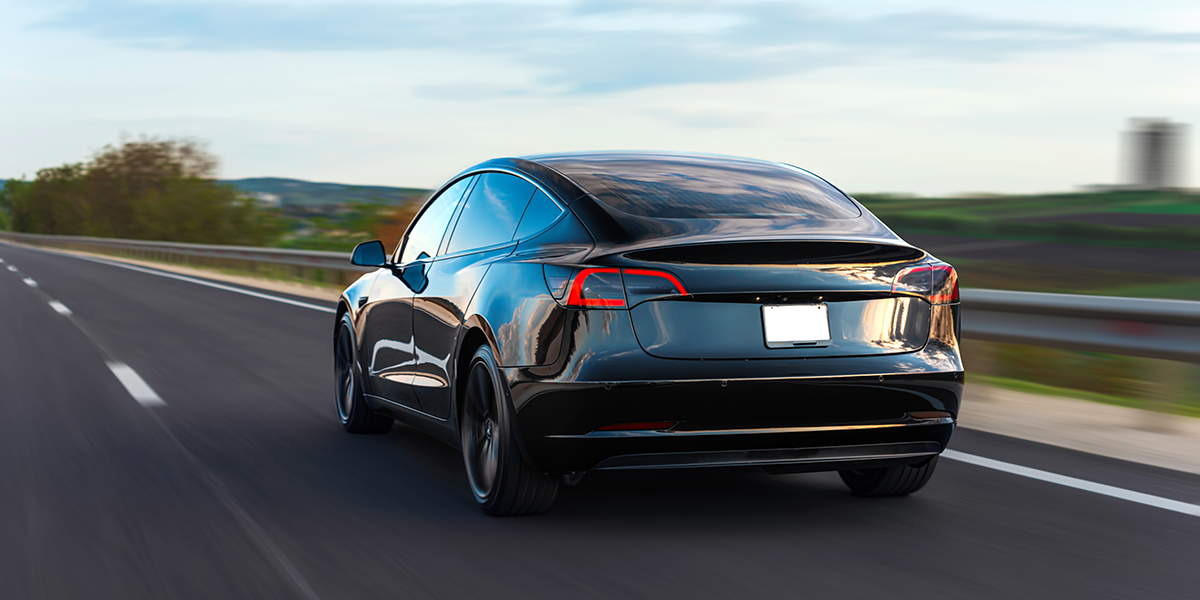
Black Tesla driving down the road bought with a Balloon Payment

Car finance has lots of confusing jargon – and a balloon payment is one example. Consider this article your ultimate guide to the what, why and how of balloon payments.

What is a balloon payment?

There are many different kinds of car finance available, depending on your needs.

Certain agreements allow you to make a final lump sum (the balloon payment) at their end. Once you’ve paid this one-time lump sum, along with an option to buy purchase and possible admin fees, the car belongs to you.

How does a balloon payment work?

A balloon payment works as a one-off lump sum you can pay at the end of your car finance agreement if you want to own your car.

With PCP, the one-off balloon payment is optional. You don’t have to pay it if you want to hand the car back or opt for a new finance agreement on another car.

The balloon payment is calculated based on the expected depreciation of your car (also known as the Guaranteed Minimum Future Value). It’s a fixed cost, meaning that no matter how much the value of your car fluctuates, it won’t rise.

Why choose car finance with a balloon payment?

There’s more than one type of car finance that allows you to own the car outright at the end of your agreement. With HP (hire purchase), you can own the car without making a final balloon payment (although there’s usually some admin fees to pay).

With that in mind, why would you want to choose car finance with a balloon payment?

HP finance has many benefits. However, because you’re not paying a final balloon fee, you’ll make higher monthly repayments compared to a PCP agreement.

A car finance option with a balloon payment is, therefore, a better choice for you if you want lower monthly repayments and if you regularly update your wheels.

What happens if I can’t afford my balloon payment?

If you’re keen to own your car outright at the termination of your finance agreement but can’t afford the balloon payment, don’t panic.

At My Car Credit, we understand that not all drivers have the cash for their balloon payment. That’s why we have balloon payment finance. With this agreement, you’ll break down your final balloon payment into manageable monthly instalments.

Apply with balloon payment finance with My Car Credit

No matter your circumstances, you can check if you are eligible for car finance with our handy online calculator. Our initial credit check is only a soft search, too – meaning it won’t impact your credit profile! Please note however that should you progress, some lenders may perform a hard search on your credit file.

Rates from 9.9% APR. Representative APR 10.9%

Evolution Funding Ltd T/A My Car Credit

My Credit Rating

Excellent

  • You are a home owner
  • You have been on the electoral role for a long period of time
  • You have current credit arrangements and mortgage with no defaults
  • You have no CCJs, credit arrears or missed payments
  • You rarely apply for credit
  • You are employed or self-employed

Good

  • You are on the electoral role
  • You are a home owner or long standing tenant
  • You have a stable employment history
  • You have current credit arrangements with occasional missed payments
  • You have no CCJs

Fair

  • You are or have recently been on the electoral role
  • You may have recently changed address
  • You may have occasional missed payments
  • You may have an old CCJ
  • You may have regularly applied for credit

Poor

  • You may have had frequent changes in address
  • You may not be traceable on the voters roll
  • You may have exceeded credit card limits
  • You may have missed payments on current agreements
  • You may have had a CCJ in the past

Bad

  • You may not be traceable on the voters roll
  • Your credit cards are over their limits
  • You have recent CCJs
  • You may have been refused credit elsewhere
  • You may be in a debt management plan
£

X monthly repayments of
£X

Typical rate

Loan amount

Total payable

X% APR*

£X

£X

*for illustration purposes only

No impact on your credit score*

Representative Example

Borrowing £7,500 at a representative APR of 10.9%, annual interest rate (fixed) 10.87%, 47 monthly payments of £191.50 followed by 1 payment of £201.50 (incl. estimated £10 option to purchase fee), a deposit of £0.00, total cost of credit is £1,702, total amount payable £9,202.

Evolution Funding Limited, trading as My Car Credit, is a credit broker and not a lender.

Please ensure you can afford the repayments for the duration of the loan before entering into a credit agreement.

*Initial application is a soft search. Should you progress, some lenders may perform a hard search on your credit file.

Require more help?

Got a question you can’t find the answer to, or need some advice and guidance around taking out car finance? Our Car Credit Specialists are friendly, experienced, and here to help so get in touch today!

How Do Balloon Payments Work?

Red and black cars bought using a Balloon payment

One of the many benefits of car finance is its flexibility. The range of car finance agreements means you’re guaranteed to find one that works for your unique needs and circumstances.

With that said, this range of options may make your decision feel overwhelming – and that’s not to mention the jargon involved in any choice!

This article will break down what a balloon payment is, how they work, and whether they’re right for you. By demystifying one of the more confusing terms associated with car finance, we’ll help you to decide whether car finance with a balloon payment is right for you.

What is a balloon payment?

In car finance terms, a balloon payment is a one-off lump sum that you pay to your lender at the end of certain finance agreements.

Both Personal Contract Purchase (PCP) and lease agreements have a final balloon payment that you can make at the agreement’s end. Making this payment means that you’ll own the car outright.

How do balloon payments work?

With both PCP and lease agreements, you’ll face a balloon payment at the agreement’s end (plus an option to purchase fee and possible admin fees).

Be aware that with PCP, a balloon payment is optional – you don’t have to pay it. You can choose to hand the car back to the lender or opt for a new finance agreement on another car. With a lease agreement, a balloon payment is not optional.

The amount you’ll pay for your balloon payment is calculated according to your lender’s estimation of your car’s depreciation. This is known by many names – the ‘Guaranteed Future Value’ (GFV), ‘Guaranteed Minimum Future Value’ (GMFV) and ‘Residual Value’ (RV). We’ll call it by the GMFV here.

The GMFV predicts the value of your car at the end of your finance agreement. Your lender will estimate this based on factors including the vehicle make and model, yearly mileage estimates, and the length of your agreement.

The GMFV (the balloon payment) is a fixed cost that’s written into your car finance contract. It can’t fluctuate based on your car’s actual value.

As such, even if your car is worth less at the end of your agreement than the GMFV estimation through no fault of your own, you don’t have to pay to make up the difference. Alternatively, if your car is worth more, you can find yourself in positive equity. This allows you to either make the final payment and sell the vehicle on for a profit – or put that equity towards another car finance agreement with the same lender.

What are the benefits of car finance with a balloon payment?

Don’t forget to check out our guide to the eight advantages and disadvantages of a balloon payment for a more comprehensive breakdown of their pros and cons.

Lower monthly payments

Compared to car finance agreements like Hire Purchase (HP), car finance with a final balloon payment has lower monthly payments.

You get to own your vehicle

If you love your vehicle and want to keep it, you can! Otherwise, you have two options available to you. You could part-exchange the vehicle for a newer, more modern vehicle, or simply hand the keys back, as long as the vehicle is in good condition, in line with the contract terms and within the agreed mileage.

What are the drawbacks of car finance with a balloon payment?

Usage restrictions

Car finance agreements like PCP do have vehicular usage restrictions. These may include a yearly mileage limit, and you’ll pay extra if you incur excessive damage.

These restrictions are established because of your lender’s prediction of your car’s GMFV. If you breach these restrictions, you can impact this estimation, and will be penalised.

Payment shock

A car finance agreement with a balloon payment means you’ll pay lower monthly instalments. However, this can mean that the balloon payment is expensive, and you may find yourself experiencing payment shock.

If you do find yourself in this position, you can benefit from balloon payment finance.

Not ideal for those with lower credit ratings

At My Car Credit, we understand that not all drivers have exceptional credit scores, and thanks to our wide range of lenders, we can accommodate all kinds of credit profiles.

If your credit score is less than ideal, you’re less likely to qualify for car finance with a balloon payment. Therefore an agreement without a balloon may be more suitable.

What happens if you can’t afford your balloon payment?

There can be any number of reasons why you may find yourself unable to pay your finance agreement’s final balloon payment.

My Car Credit understands that not all drivers may have the cash upfront to be able to make your balloon payment. Balloon payment finance provides one solution, working just like a car finance agreement. By breaking down the balloon payment’s lump sum into manageable monthly repayments, you have better budgetary control.

Use our online calculator to receive an instant no-obligation decision on balloon payment finance. Our initial credit check won’t impact your score, and we’ll leverage our large panel of lenders to find a deal that’s best for you. Please note that should you progress, some lenders may perform a hard search on your credit file.

Is a balloon payment right for me?

Car finance agreements with a balloon payment have various advantages. From lower monthly repayments to a guarantee of your vehicle’s future value, having an agreement with a balloon payment can be beneficial. Plus, with PCP finance, you don’t have to make the final lump sum – you can enter another finance agreement on a different car with the same lender. This is great for people who like to regularly update their wheels.

With that said, if you’ll struggle with usage limits or are prone to damaging your car, you may need to consider your options. Plus, you’ll have to evaluate your financial situation. Plan ahead to ensure that you can make the final balloon payment or consider balloon payment finance to avoid facing payment shock.

Wondering if you are eligible for My Car Credit car finance?

Do the maths on your next car with our handy online calculator and discover how My Car Credit can help you find the right car finance.

Rates from 9.9% APR. Representative APR 10.9%

Evolution Funding Ltd T/A My Car Credit

My Credit Rating

Excellent

  • You are a home owner
  • You have been on the electoral role for a long period of time
  • You have current credit arrangements and mortgage with no defaults
  • You have no CCJs, credit arrears or missed payments
  • You rarely apply for credit
  • You are employed or self-employed

Good

  • You are on the electoral role
  • You are a home owner or long standing tenant
  • You have a stable employment history
  • You have current credit arrangements with occasional missed payments
  • You have no CCJs

Fair

  • You are or have recently been on the electoral role
  • You may have recently changed address
  • You may have occasional missed payments
  • You may have an old CCJ
  • You may have regularly applied for credit

Poor

  • You may have had frequent changes in address
  • You may not be traceable on the voters roll
  • You may have exceeded credit card limits
  • You may have missed payments on current agreements
  • You may have had a CCJ in the past

Bad

  • You may not be traceable on the voters roll
  • Your credit cards are over their limits
  • You have recent CCJs
  • You may have been refused credit elsewhere
  • You may be in a debt management plan
£

X monthly repayments of
£X

Typical rate

Loan amount

Total payable

X% APR*

£X

£X

*for illustration purposes only

No impact on your credit score*

Representative Example

Borrowing £7,500 at a representative APR of 10.9%, annual interest rate (fixed) 10.87%, 47 monthly payments of £191.50 followed by 1 payment of £201.50 (incl. estimated £10 option to purchase fee), a deposit of £0.00, total cost of credit is £1,702, total amount payable £9,202.

Evolution Funding Limited, trading as My Car Credit, is a credit broker and not a lender.

Please ensure you can afford the repayments for the duration of the loan before entering into a credit agreement.

*Initial application is a soft search. Should you progress, some lenders may perform a hard search on your credit file.

Require more help?

Got a question you can’t find the answer to, or need some advice and guidance around taking out car finance? Our Car Credit Specialists are friendly, experienced, and here to help so get in touch today!